UB’s Small Island Sustainability Programme Increases Capacity for Environmental and Climate Solutions
17th December 2025
Nassau, THE BAHAMAS — University of The Bahamas (UB) is positioning the nation at the forefront of Small Island Sustainability (SIS) studies, and its GTR Campbell Small Island Sustainability Research Complex (SIRC) is at the centre of growing capacity in this crucial area.
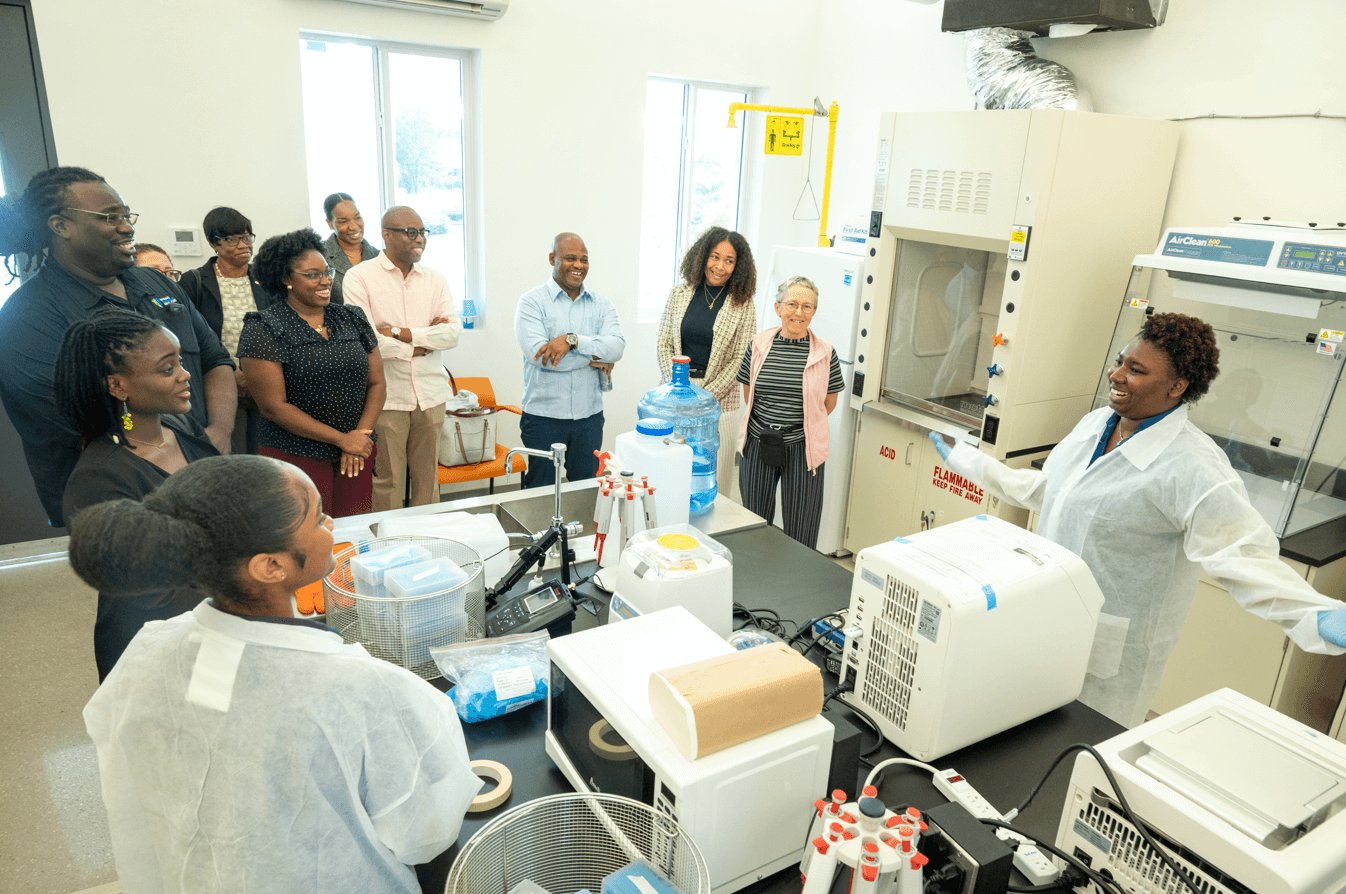
At a recent open house and soft opening that showcased four laboratories and the solution-driven research happening there, donors, partners and alumni were given a rare, behind-the-scenes look at the work unfolding inside. They saw, firsthand, how UB is translating science into real-world solutions for small island nations through disciplines in environmental science, marine science, soil science, chemistry, and molecular biology.
“It’s an exciting moment as we celebrate the academics, research, and innovation that define the SIS programme at University of The Bahamas,” said Dr. Kristen Welsh-Unwala, Executive Director of the SIS programme at UB. “SIS is a truly unique programme, not just within UB, but across global academic programmes. We’re proud to be the only academic programme in the world dedicated specifically to small island sustainability. And although many academic institutions offer marine science degrees, our programme stands apart, built for small island nations rooted in the Bahamian context.”
UB’s SIS programme is unprecedented, focused not only on the environmental and climate-related threats facing island nations, but on equipping students to lead the charge in solving them. The analytical laboratory, molecular and genetics laboratory, soil laboratory, and a wet laboratory at the research complex are significantly expanding what students and faculty can research in the field and the lab.
For instance, the analytical lab is developing capacity for students and faculty to measure metals in water, soil, and food, identify pollutants and organic compounds and analyze pharmaceuticals and natural products, all essential to understanding environmental health and human safety. In the molecular and genetics lab, researchers are building foundations to conduct DNA and molecular research in adaptation and biodiversity, vital knowledge for protecting species and ecosystems under stress.
“The potential these laboratories present for The Bahamas is immense. They provide a space where students and researchers can explore solutions to the unique challenges facing small island nations, from sustainability and environmental protection to public health and scientific innovation” said Ruby Neely, Lab Manager of the SISRC Laboratories. “The work conducted here has the power to strengthen our local communities, enhance education and skills development, and contribute to the long-term growth and resilience of our country.”
Dr. Welsh-Unwala added that students represent the generation that will inherit and solve environmental problems.
“The SIS programme is growing in numbers and provides a home to students from across the archipelago. Our students are receiving place-based education and experiential learning that no other international degree can offer them,” she said.
“UB undergraduate students are conducting research in crucial areas like blue carbon, coral, water and soil contamination, and hurricane recovery. They are gaining professional experience at various organizations, bridging classroom learning with national impact. UB SIS alumni are also serving in government ministries, such as Office of the Prime Minister, Ministry of Finance, and Department of Environmental Planning and Protection, leading sustainability initiatives at major resorts, managing national landfills and national parks, and spearheading innovative agricultural initiatives.”
UB President Dr. Robert Blaine, III, hailed the SIS programme’s uniqueness and potential for transformative change, especially when it comes to the risks that small island nations face.
“The creation, launch and development of the SIS programme is truly a UB story of “for us, by us” with the extended potential to impact the world with how we prioritise our own national development, and make efforts to safeguard The Bahamas from environmental, climate, economic, resource, social and structural vulnerabilities,” said Dr. Blaine. “This next step in the progress of the research and academic excellence for SIS and UB, is marked by philanthropic investment.”
The MSC Foundation is now also a benefactor for the SIS programme, having contributed $100K for the development of the laboratories at the SISRC. MSC also offers UB students experiential learning opportunities at its Marine Conservation Center at Ocean Cay.
Daniela Picco, Executive Director of the MSC Foundation, affirmed the importance of scientific research in strengthening local capacity to understand and protect marine biodiversity.
“This new lab is about much more than microscopes and instruments, it’s an investment in Bahamian talent and research capacity,” said Ms. Picco. “Our partnership with University of The Bahamas lies at the heart of our long-term commitment to the country. By supporting the SIS lab, welcoming marine science students at Ocean Cay and delivering lectures on campus, we are helping to nurture the upcoming generation of scientists and leaders who will safeguard these islands and their marine ecosystems.”
-
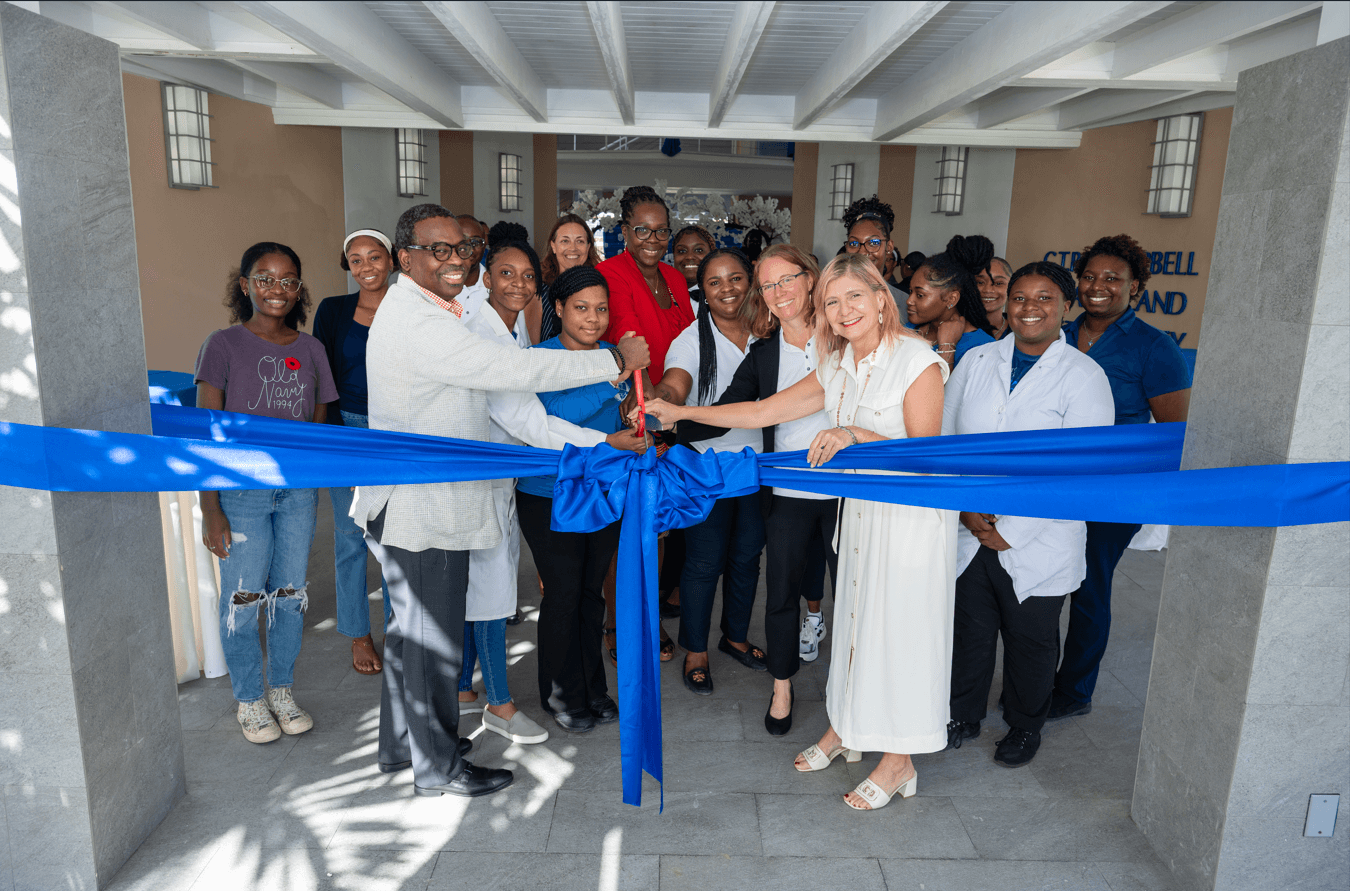
- UB President, Dr. Robert Blaine (left); Provost & Vice President of Academic Affairs, Dr. Maria Oriakhi (centre in red); SIS Executive Director, Dr. Kristen Welsh-Unwala (second from right, foreground); and Ms. Daniele Picco (right, foreground) and other students and attendees cut the ribbon to launch the official opening of the SISRC Laboratory.
-
- UB President, Dr. Robert Blaine (left); Provost & Vice President of Academic Affairs, Dr. Maria Oriakhi (centre in red); SIS Executive Director, Dr. Kristen Welsh-Unwala (second from right, foreground); and Ms. Daniele Picco (right, foreground) and other students and attendees cut the ribbon to launch the official opening of the SISRC Laboratory.
-
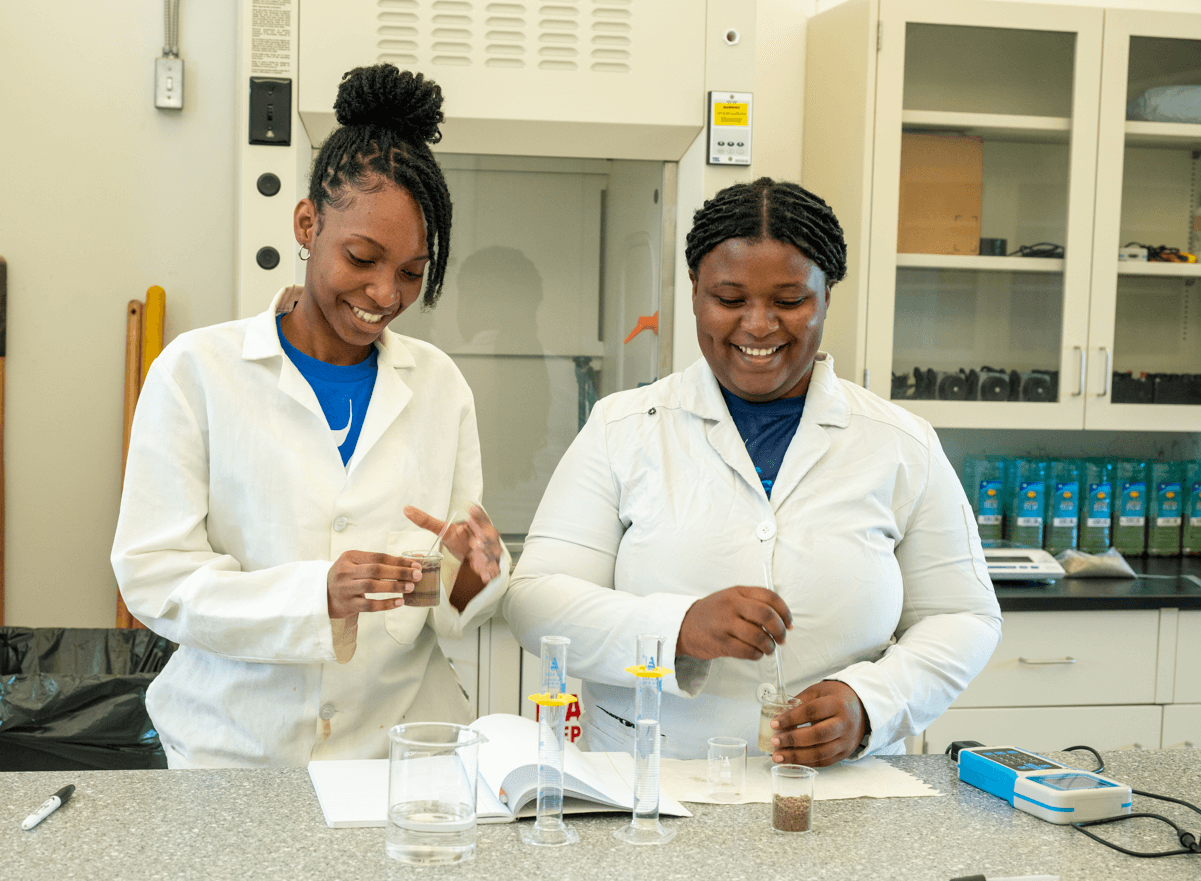
- Two students are all smiles as they conduct a sample demonstration for attendees.
-
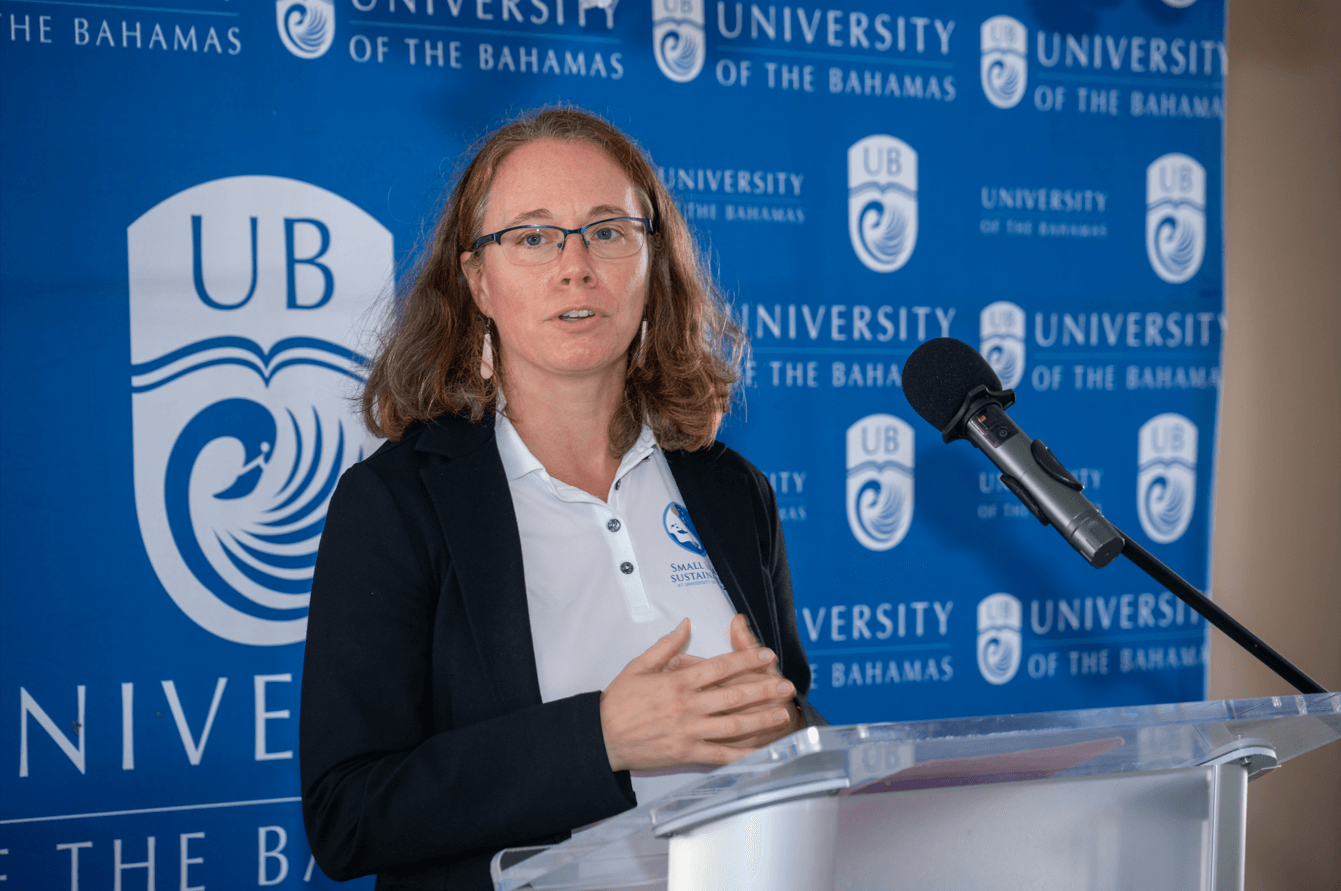
- Dr. Kristen Welsh-Unwala, SIS Executive Director, delivers remarks.
-
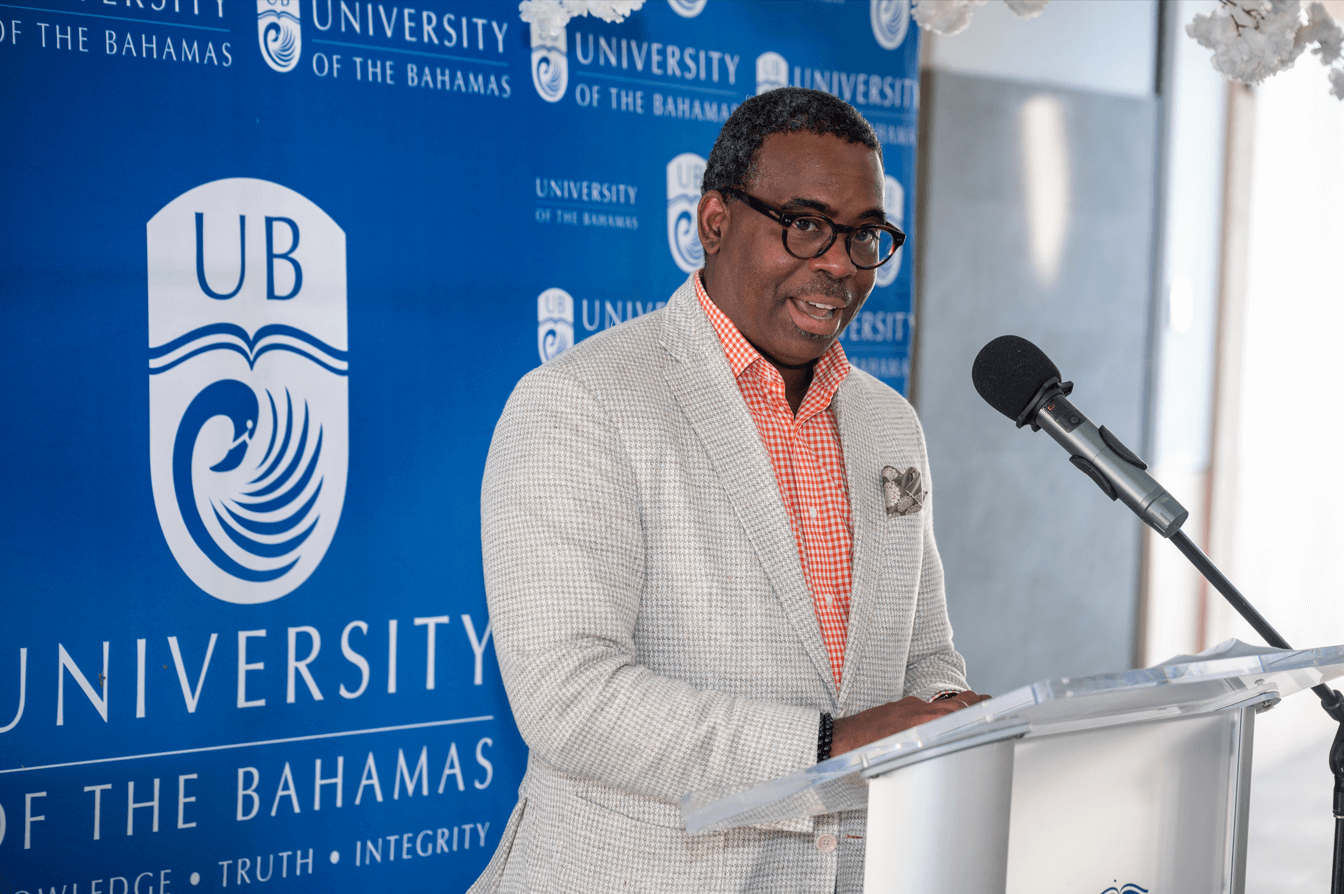
- UB President Dr. Robert Blaine delivers remarks.
-
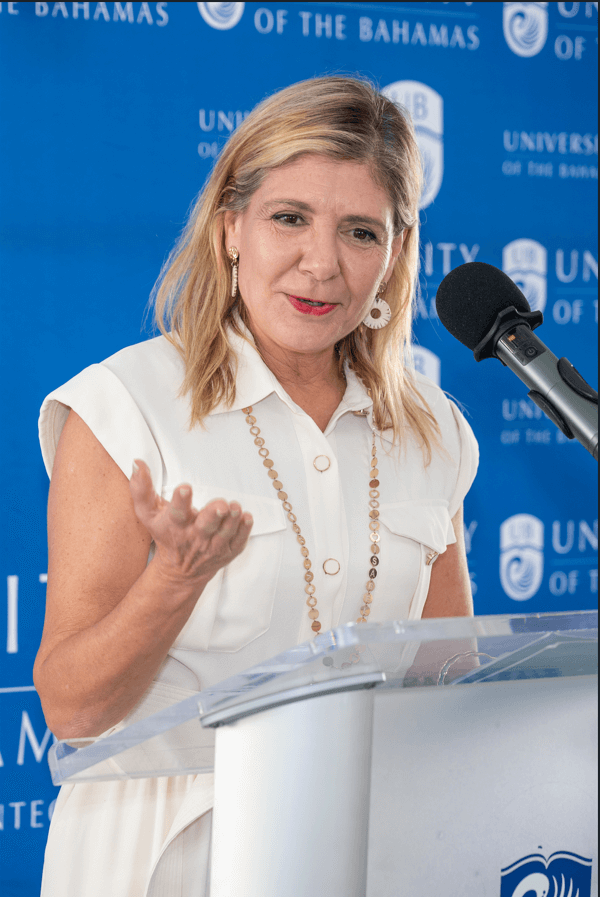
- MSC Foundation Executive Director, Ms. Daniele Picco delivers remarks.